


Everyone knows that Chinese visitors are the ideal clients for the so called Shopping Tourism, and although they are a small part of the tourists that come to our country, they spend much more than visitors from other countries. But, has shopping tourism opened the door to Chinese MICE tourism in Spain?
According to The Economist, China is going to be the biggest business tourism market in the world this year, contemplating a corporate expense of 202 million dollars and replacing the United States, the leader for many years, as number one.
Since 2011, the Chinese Government has been carrying out a major expansion plan, investing huge sums of money in their infrastructure for the expansion and new construction of airports and high-speed trains. Everything, according to the World Tourism Organization, for the same purpose: becoming the nation with the largest number of international tourists.
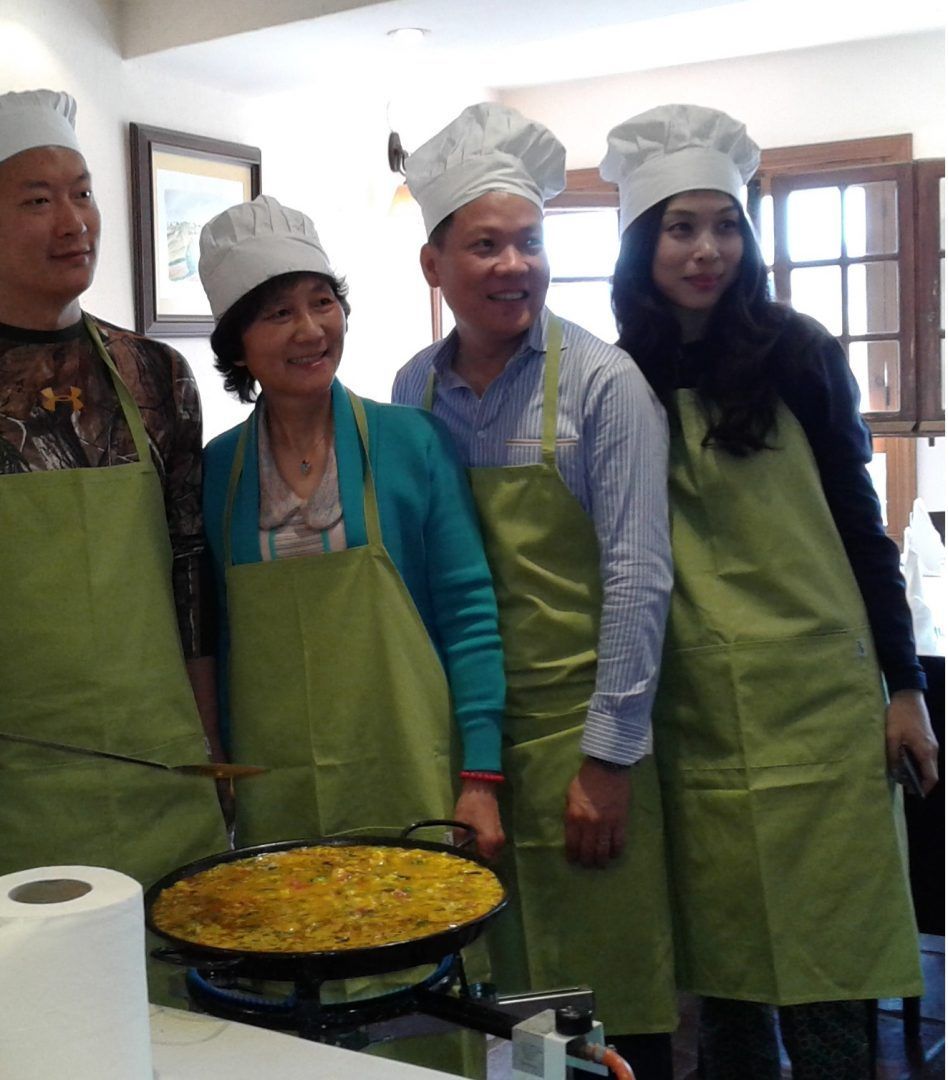
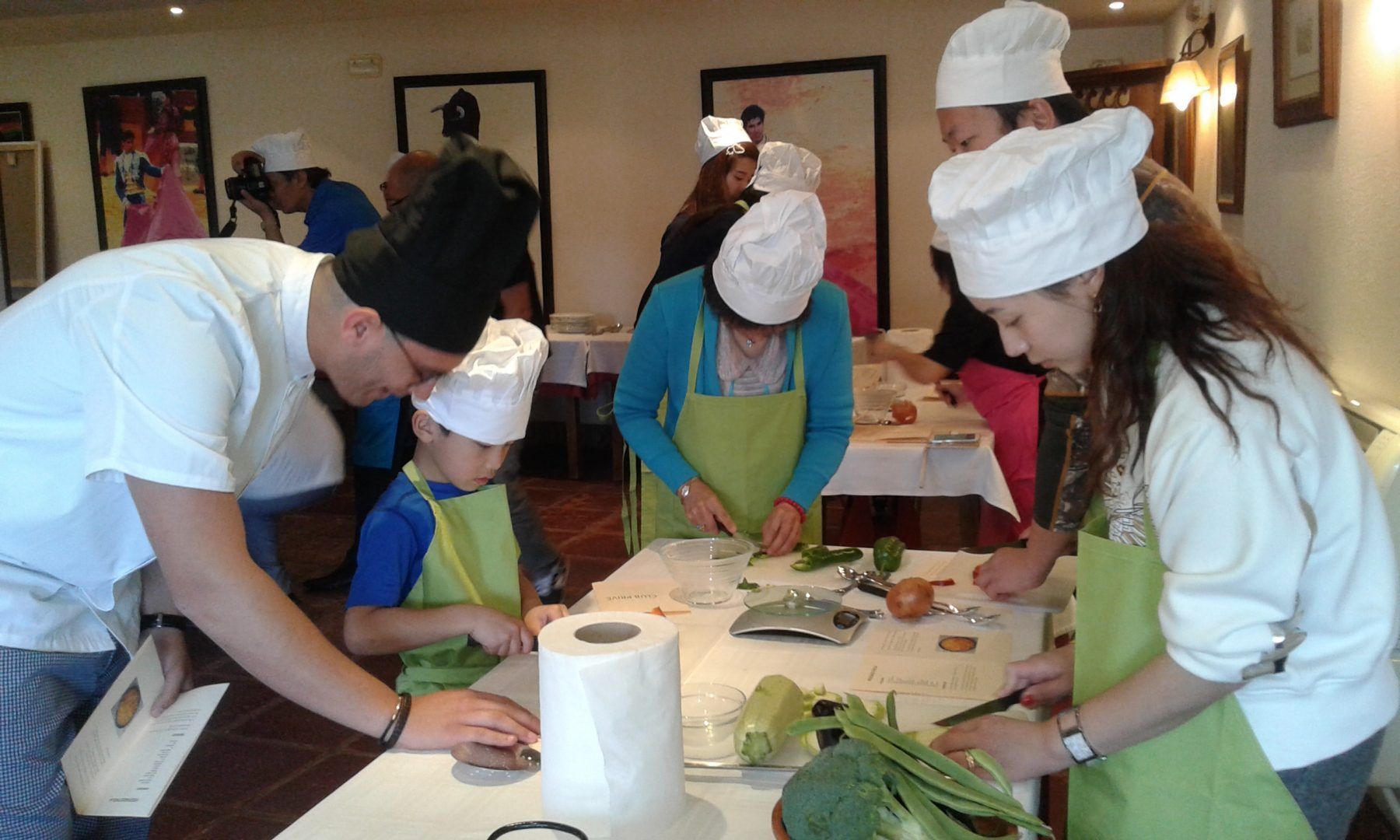
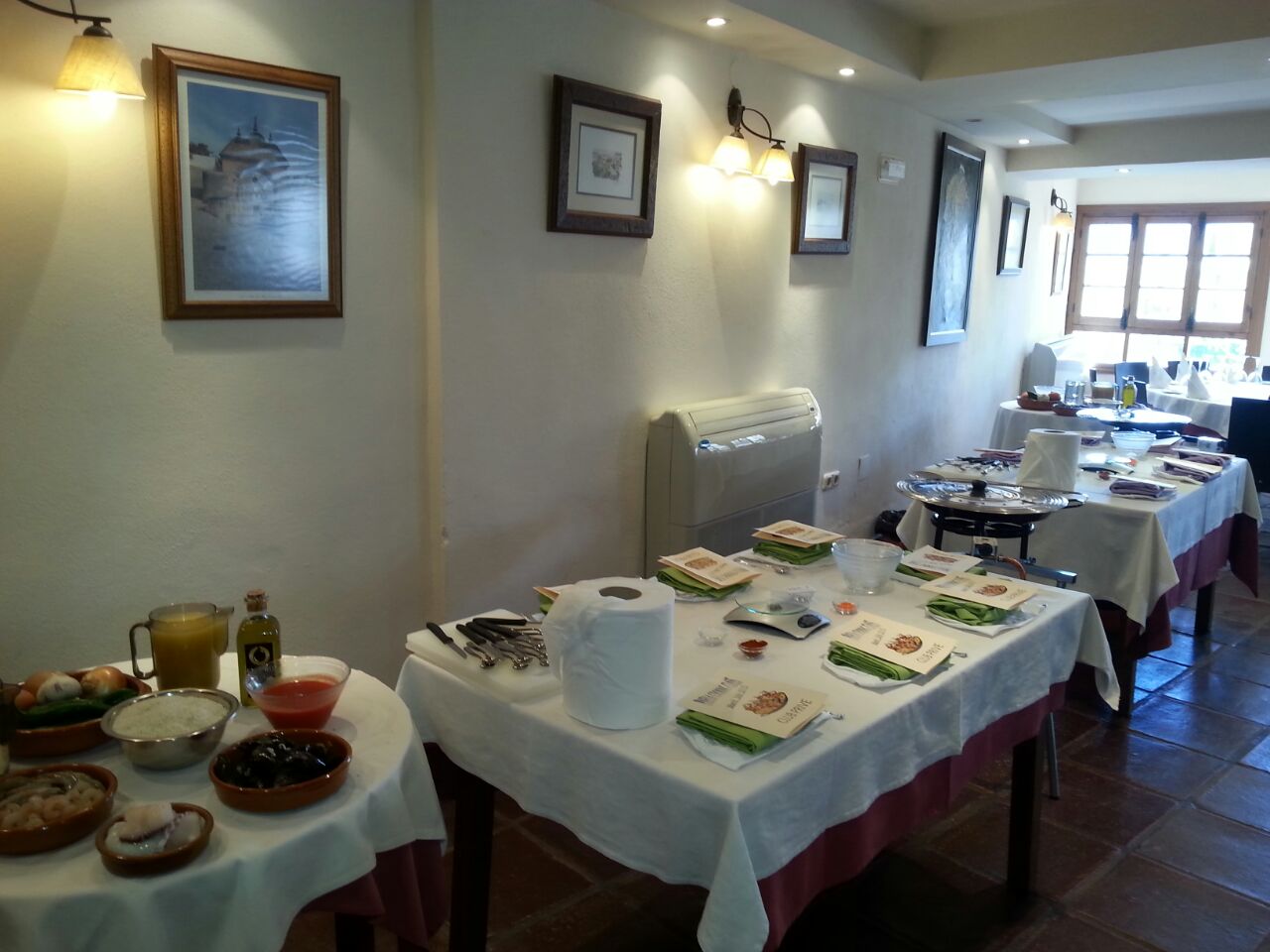
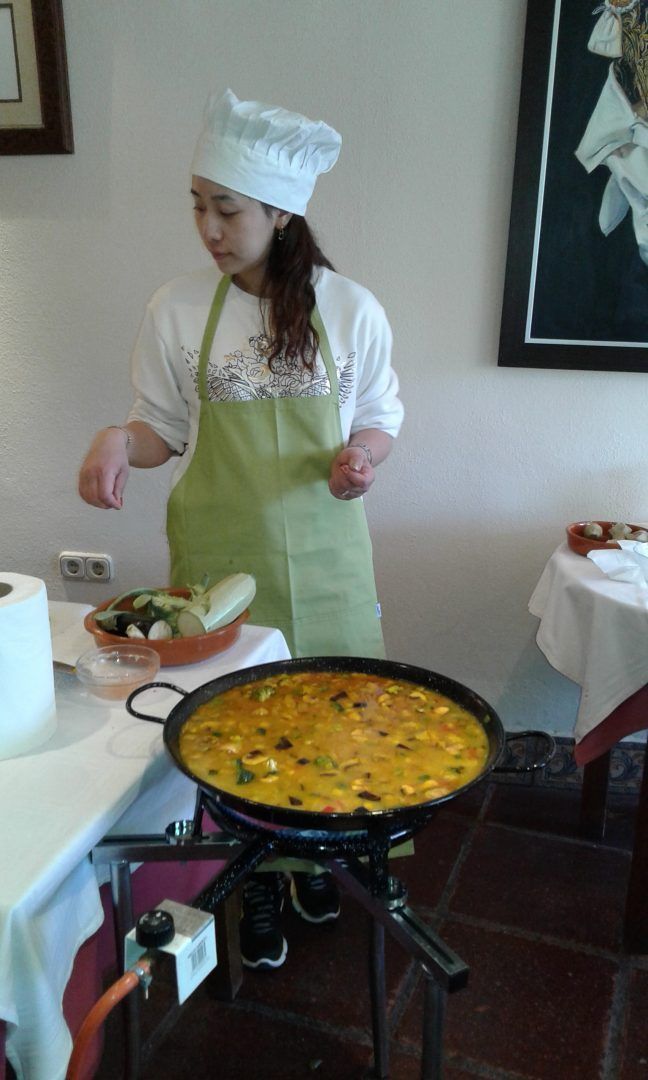
At Es.Cultura (Eventos+Communicación) we know the Chinese business traveller very well, since we have had the opportunity to work on numerous occasions with different Asian corporate groups that came with the desire of learning about our customs and cuisine, and complement their mice event with some original and fun activities. But, how do you treat Chinese business tourists? One must keep three fundamental pillars in mind: harmony, hierarchy and good behaviour, basic in their culture. They tend to plan their trips very well and they look for the authentic things everywhere they go. And nothing is more typical and more authentic than a good paella, like the one our Chinese chefs cooked last week, this time in Málaga.
Last week, Es.Cultura received a group of 30 people who were ready to discover the Costa del Sol, perfect for any event, incentive or convention, and for learning a little bit about Spanish gastronomy and culture. After enjoying a guided cultural visit around Marbella, we went to Ronda where everything was ready for this special workshop. Thanks to this crash course in paella making, participants could show their culinary qualities and their teamwork capability. Once the different roles (kitchen helper, chef…) had been handed out, with the kitchen utensils in hand, the local ingredients of the rondeña gardens and with the assistance of our best cooking instructors, it was time to start cooking.
Time was running out, the paellas were nearly ready, and our jury, diploma and prize in hand, were wondering, “which one will be the best?” “Which paella will be the most original one?” “Which team has worked more as a group?” In general, we can say that none of them got burnt, all of them were very good and every team worked together. When are we doing the next one?


